

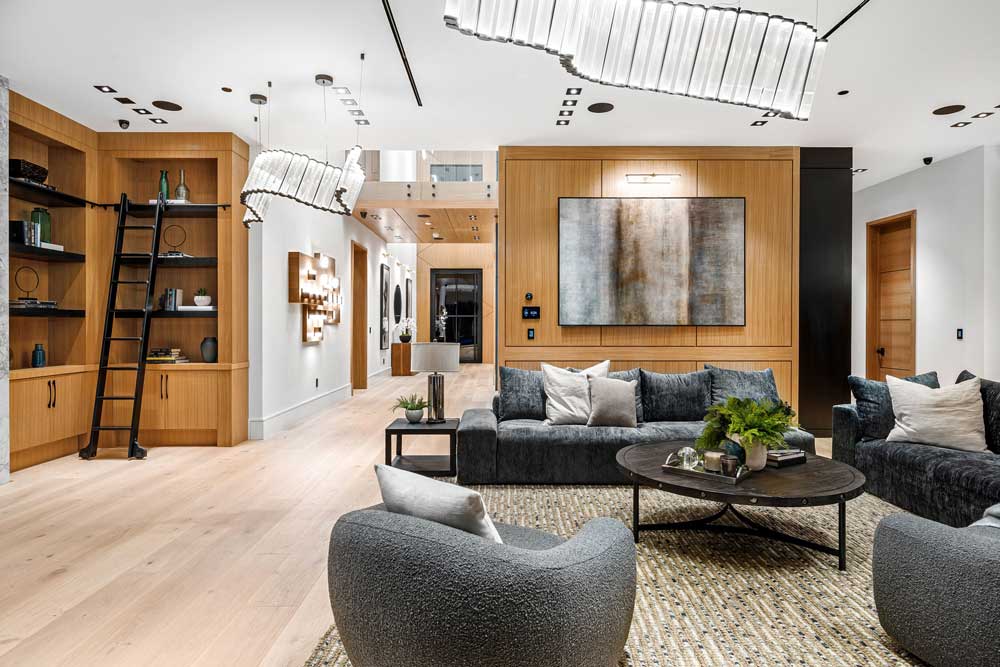
Balanced interiors feel comfortable, functional, and visually aligned. A well planned space supports how people live and work while maintaining a sense of order and flow. As a Lincoln Interior Design Firm, we approach interior design with a focus on proportion, layout, and purpose so each space feels complete without feeling crowded or empty.
Understanding Balance in Interior Design
Balance in interior design refers to how visual weight is distributed throughout a room. This includes furniture placement, color use, lighting, and architectural features. A balanced space allows the eye to move naturally without distraction.
Any experienced Interior Design Firm uses three primary types of balance.
Symmetrical balance places matching elements on each side of a focal point. This approach is often used in formal living rooms or office settings. Asymmetrical balance uses different objects that have similar visual weight. This method creates a more relaxed and natural look. Radial balance centers elements around a focal point, such as a dining table or lighting fixture.
In Lincoln, Nebraska, where homes range from traditional to modern, using the right balance helps align the design with the home’s structure.
Interior Design Firm Strategies for Layout and Space Planning
A balanced interior begins with proper space planning. Without a thoughtful layout, even high quality furnishings can feel out of place.
We begin each interior design or renovation consultation by evaluating how the space is used daily. This includes traffic flow, furniture scale, and how each area connects.
Key layout strategies include placing larger furniture pieces first to establish structure, maintaining consistent spacing between items, and ensuring clear walkways throughout the room.
Using Color and Texture to Create Balance
Color and texture play a major role in how a space feels. Balanced interiors use a mix of tones and materials without overwhelming the room.
A common approach is to select a base color and layer in complementary shades. Neutral palettes are often used in Lincoln homes because they provide flexibility while supporting long term design goals.
Texture adds depth. Combining materials such as wood, fabric, glass, and metal helps create contrast without disrupting harmony.
Lighting Design and Visual Weight
Lighting affects both function and balance. A well designed lighting plan ensures that no area feels too dark or too bright.
We recommend using a combination of ambient, task, and accent lighting. This layered approach supports both daily use and visual appeal.
In residential spaces, overhead fixtures provide general light while lamps and sconces add warmth. In Commercial Interior Design environments, lighting must also support focus and reduce glare for work tasks.
Balanced lighting ensures that focal points are highlighted while secondary areas remain visually connected.
Furniture Selection and Proportion
Furniture must match the room’s scale. Oversized pieces can make a space feel crowded, while undersized furniture can leave a room feeling incomplete.
As an Interior Design Firm, we guide clients in selecting furniture that fits both the space’s dimensions and the intended use.
A practical method is to measure the room and map out furniture placement before purchasing. This reduces the risk of imbalance and improves overall flow.
In Lincoln homes with open layouts, using consistent furniture styles across connected spaces helps maintain continuity. In office environments, ergonomic furniture supports both comfort and efficiency.
Incorporating Focal Points
Every balanced interior benefits from a clear focal point. This could be a fireplace, a piece of artwork, or a statement furniture item. The surrounding elements should support the focal point without competing for attention. This creates a sense of direction within the space.
Renovation Consultation and Long Term Planning
Balanced interiors are often achieved through thoughtful planning rather than quick changes. A renovation consultation allows us to evaluate structural elements, lighting placement, and layout adjustments before making design decisions.
This process is especially valuable in older Lincoln properties where updates must align with existing architecture. Adjustments such as opening a wall, updating flooring, or reworking lighting placement can significantly improve balance.
Planning for long term use ensures that the design remains functional as needs change over time.
Practical Tips for Maintaining Balanced Interiors
Maintaining balance is an ongoing process. Small adjustments can make a noticeable difference.
Keep surfaces organized and avoid overcrowding decorative items. Rotate accessories to maintain visual interest without adding clutter. Use rugs to define spaces and anchor furniture arrangements. Evaluate lighting regularly to ensure consistency throughout the room.
These steps help maintain the integrity of the original interior design while adapting to daily life.
Why Work with an Interior Design Firm in Lincoln
Working with a professional Interior Design Firm provides structure, expertise, and a clear plan. From the initial renovation consultation to the final installation, our role is to ensure that every detail contributes to a balanced, functional space.
In Lincoln, Nebraska, where homes and businesses continue to evolve, professional interior design helps align spaces with modern expectations while respecting existing architecture.
Work with Interiors Joan and Associates
At Interiors Joan and Associates, we bring more than 50 years of experience in residential and commercial interior design. Our ASID design team works closely with each client to understand personal style, functional needs, and long term goals.
We offer renovation consultation, custom furniture solutions, window treatments, artwork, and carefully selected accessories that help create balanced interiors.